
Year 5 – 6
Recycling and Composting
Recycling unit
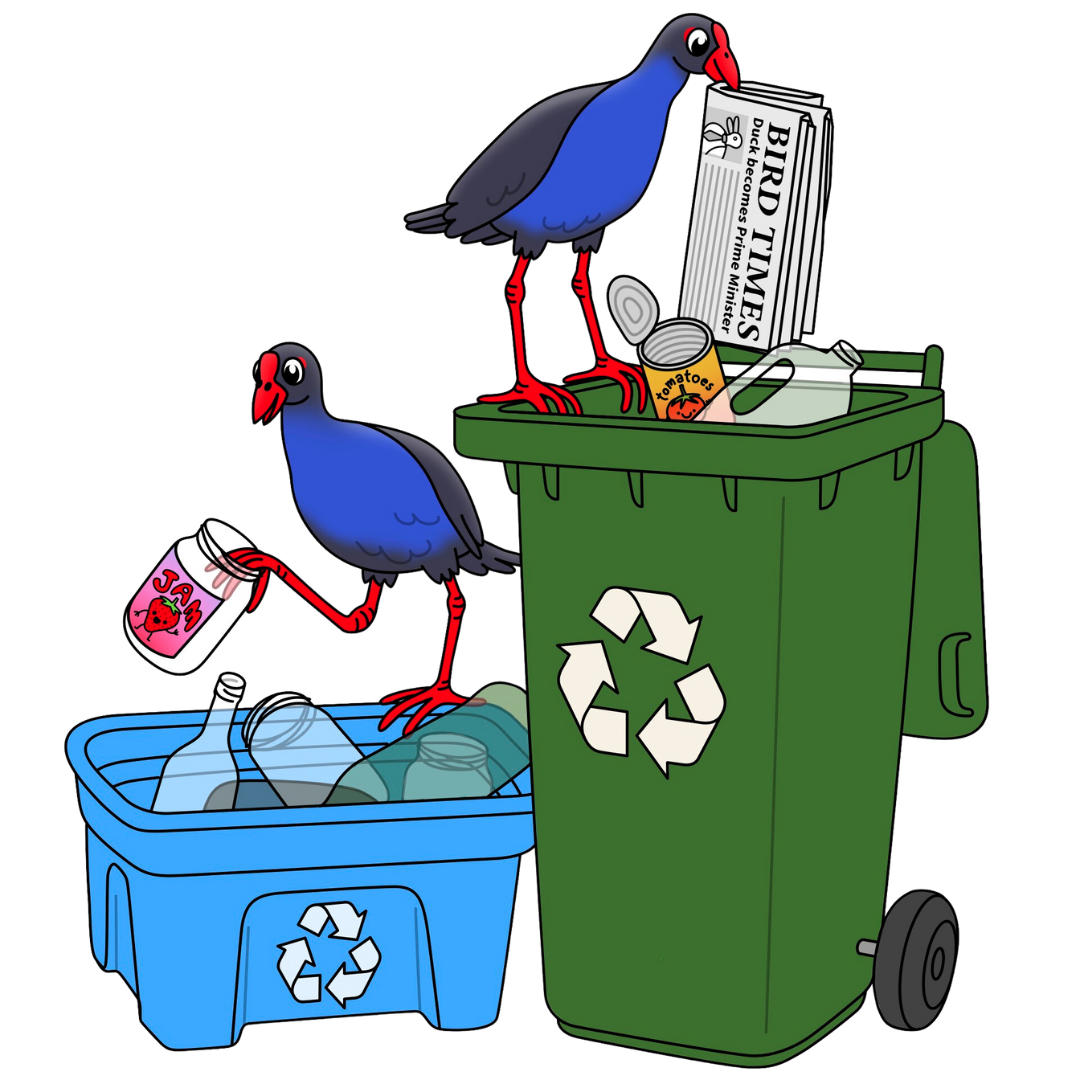
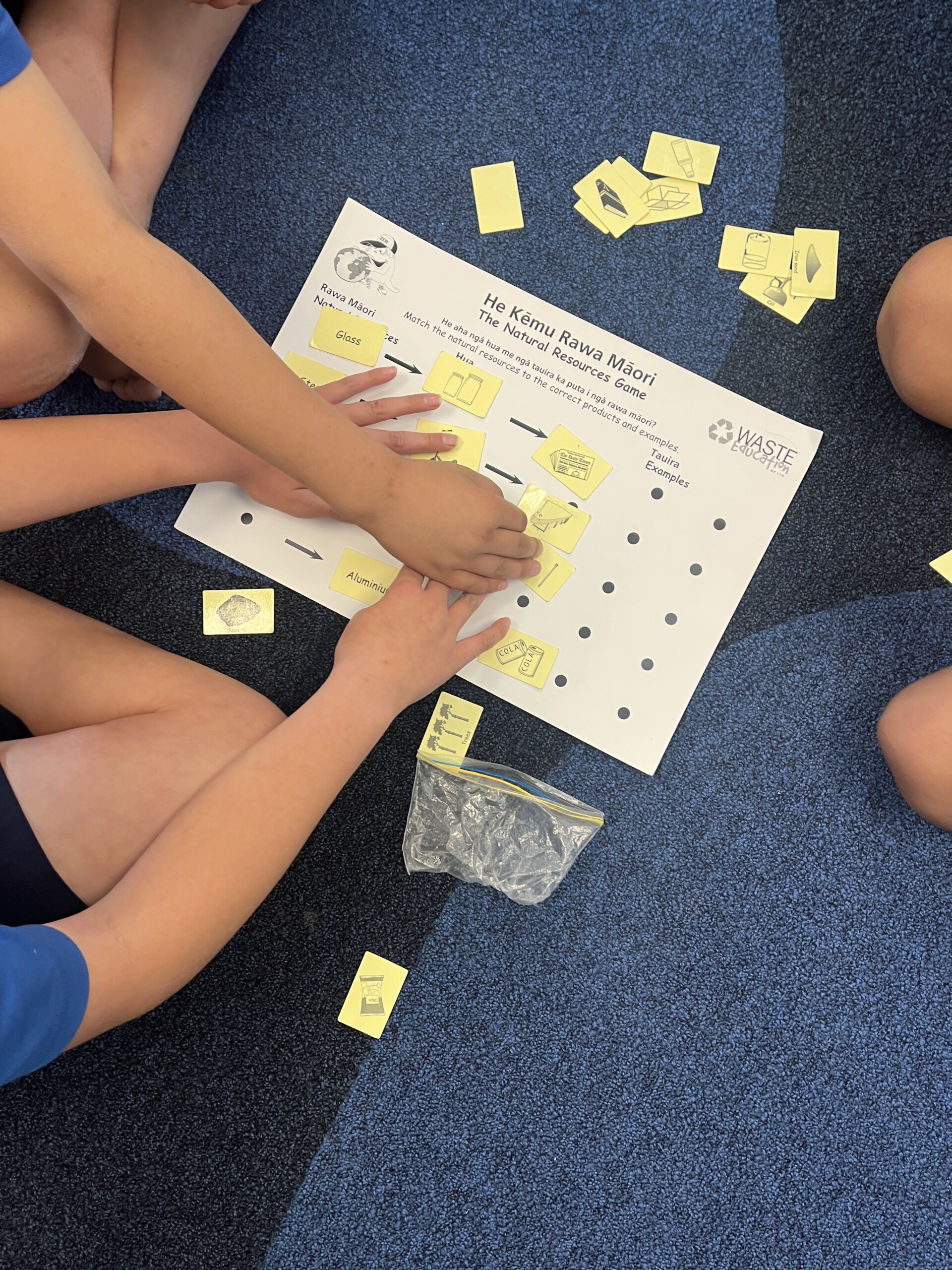
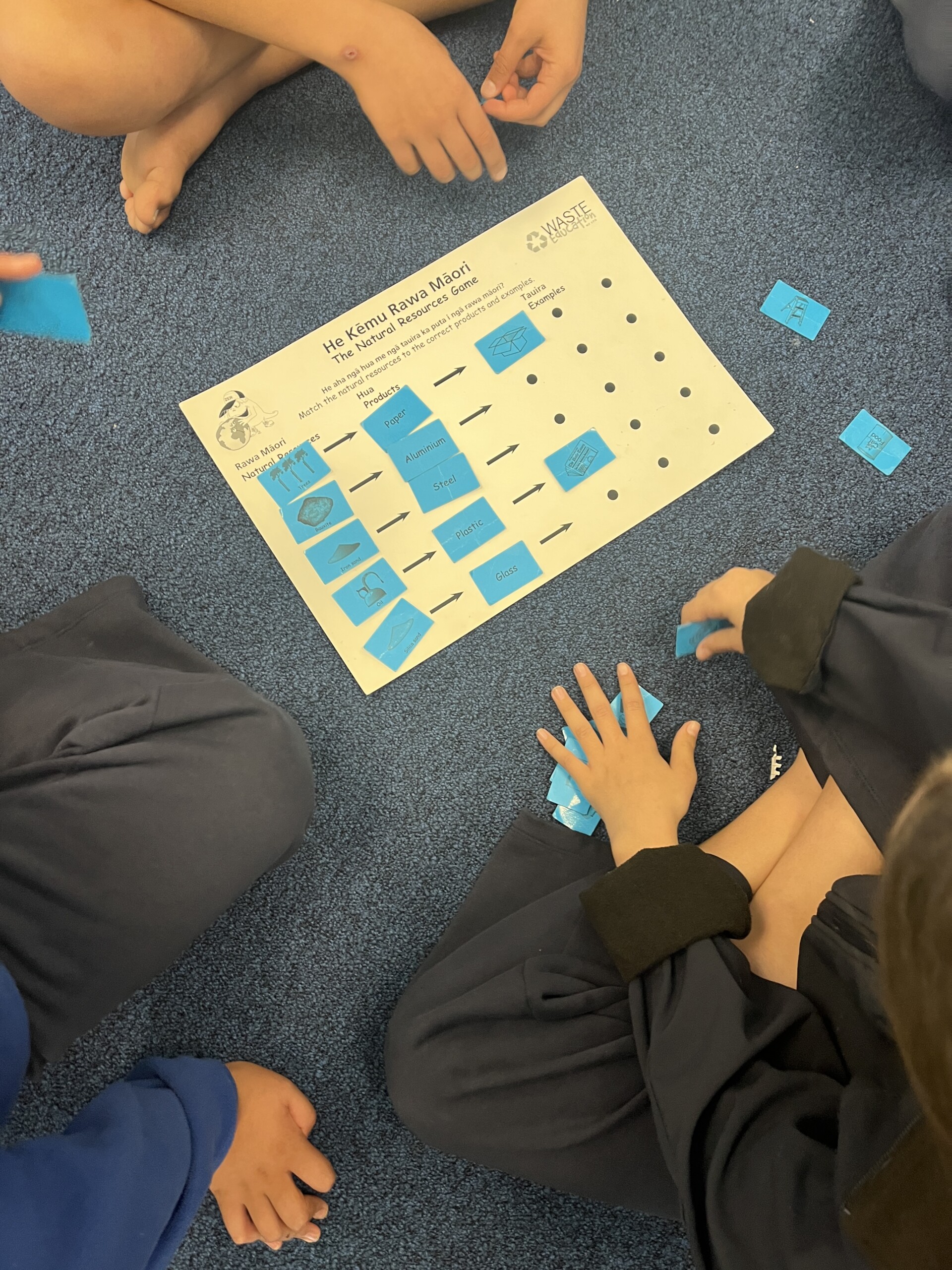
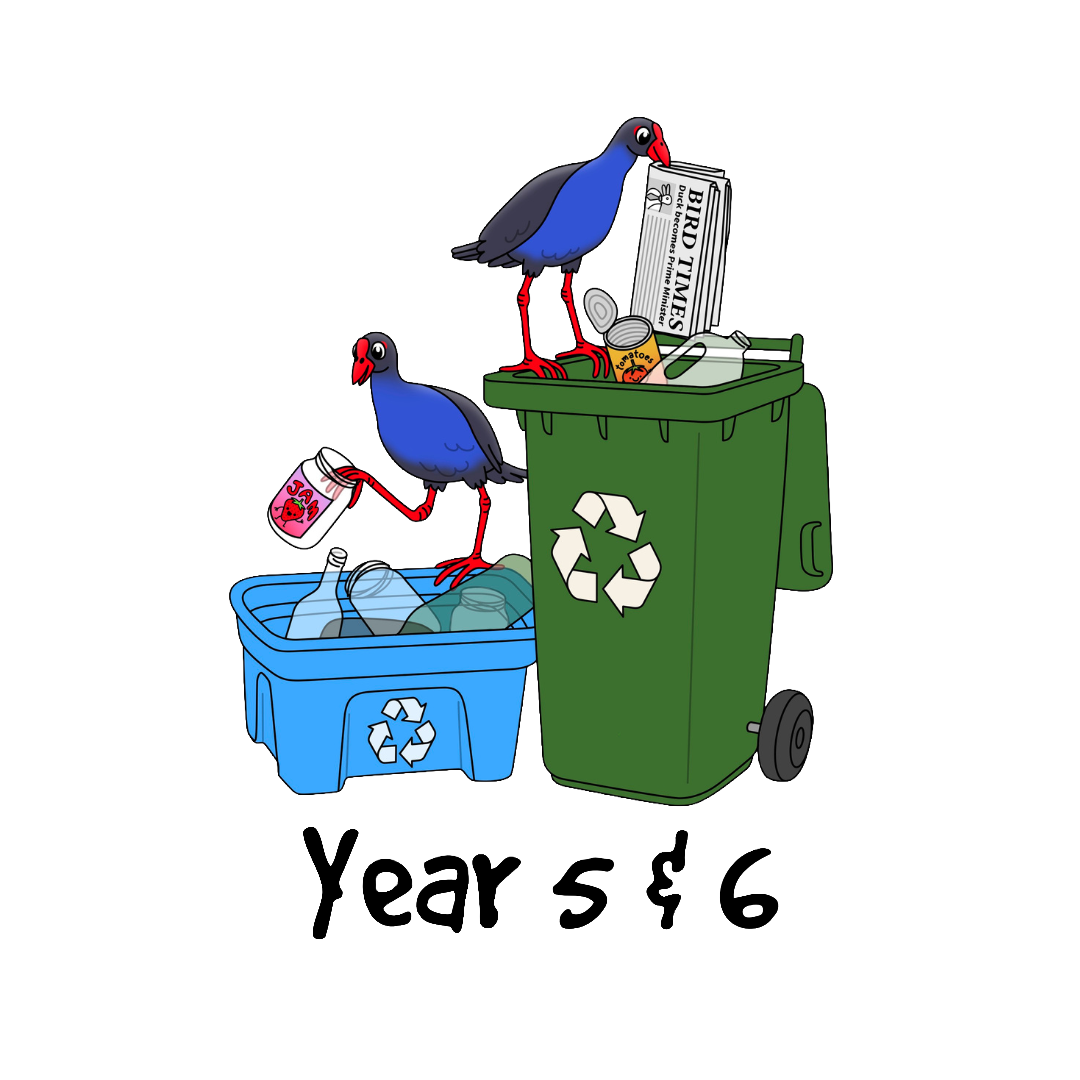
Students delve deeper into the concept of recycling and key issues such as ‘contamination’ and their responsibilities as a recycler at home are reinforced. By investigating product lifecycle’s students are able to see how they can have a positive impact on the sustainable use of natural resources by recycling. Children also discover what actually happens to their recycling after it leaves their house, from recycling bin to new end product.


Composting unit
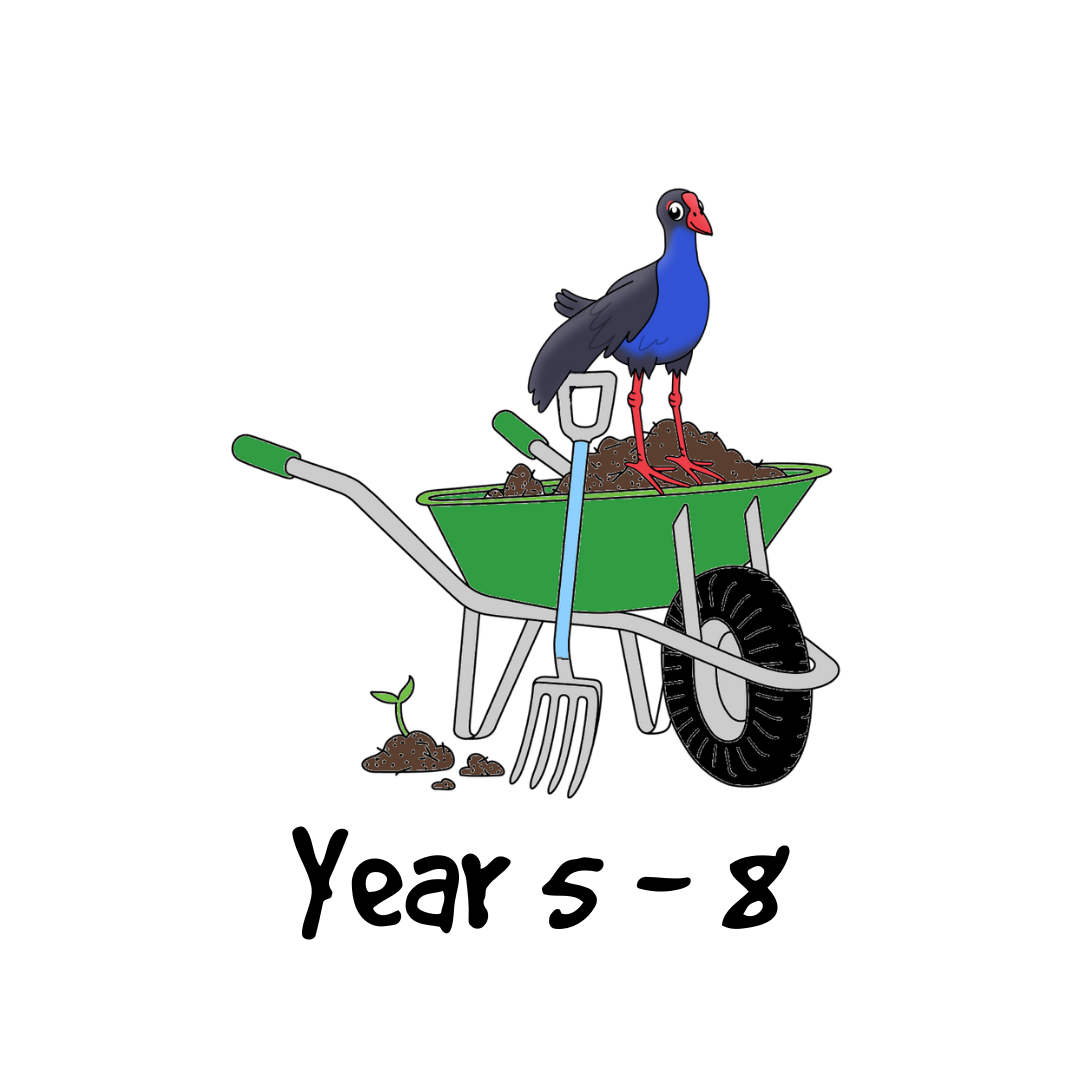
Composting is a topic that deserves its own comprehensive unit and is a key tool in tackling our growing waste problem. Children investigate the role of nature in turning organic waste in to new compost. The key composting elements of nitrogens and carbons are examined and the differences between landfills and composts are explored. Children will build their own ‘mini-compost’ (containing tiger worms), giving them the skills and knowledge to build and maintain large-scale composts at home.
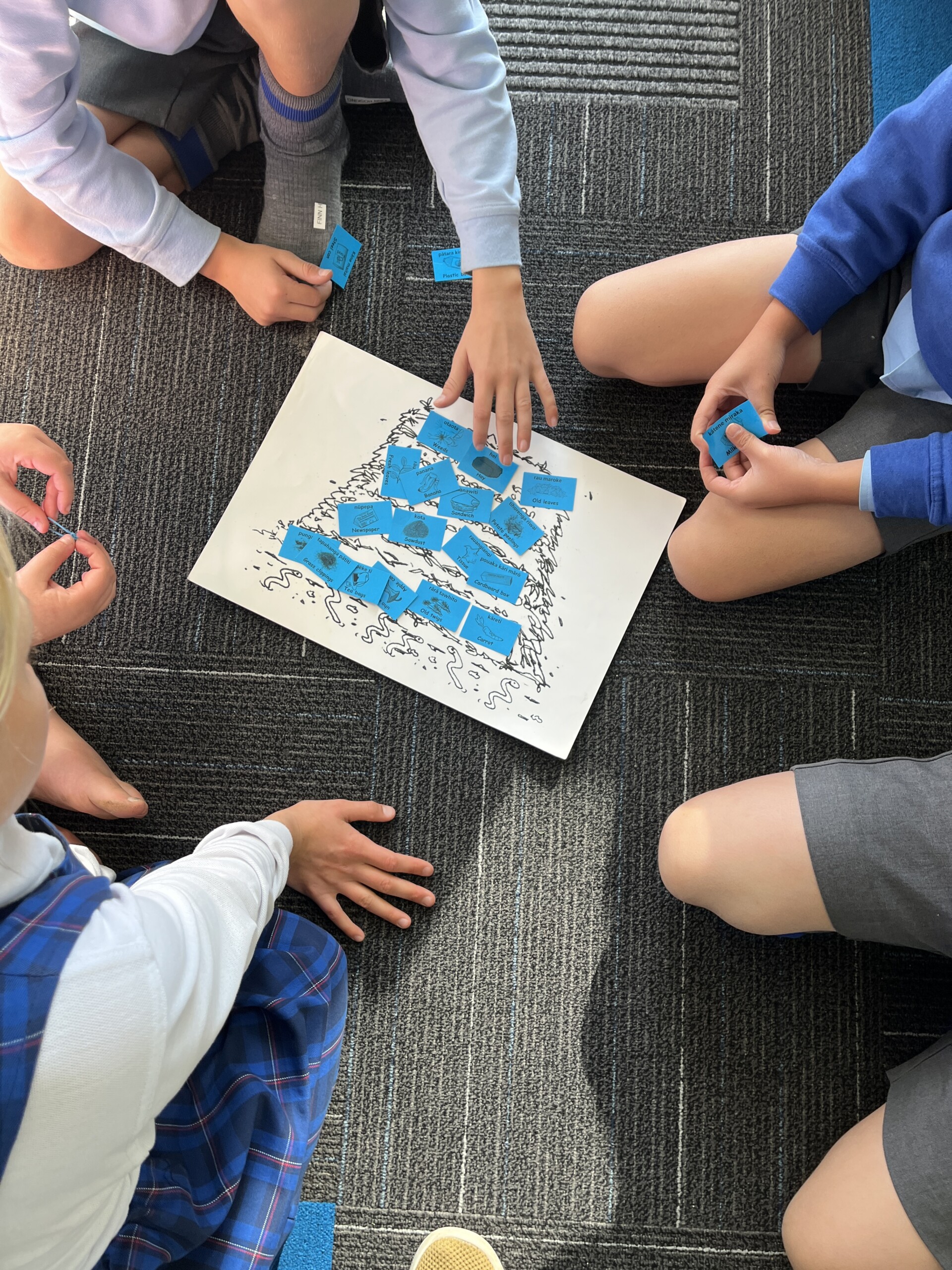
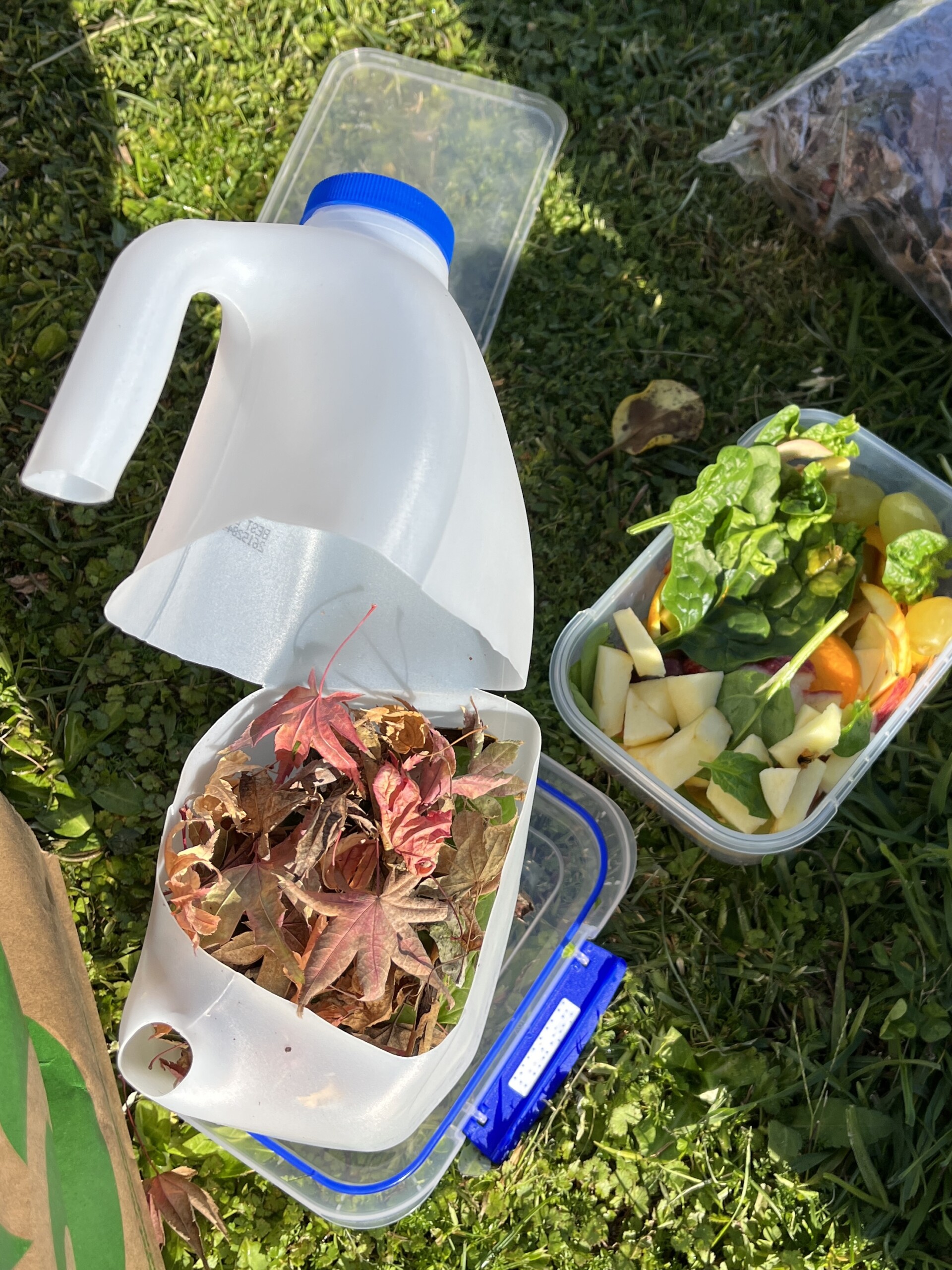
All units are supported by workbooks / worksheets, interactive games and activities, DVD’s, relevant photos and website references
Booking Notes & Policies:
- Programme bookings are subject to educator availability on a first-come, first-served basis.
- For the safety of our educators and students, outdoor activities (such as litter hunts or composting) may be altered or moved indoors due to unsuitable weather conditions.
Frequently Asked Questions
Great question! There are a number of reasons why we are still using paper booklets.
1. Access! Not all schools have devices for all students. Printing paper booklets means we can ensure that all students can work at their own pace.
2. Sharing. Students can take their resources home and share with their whānau. Our kaupapa is not just teaching the younger generation, but also the wider community.
3. Money. Quite simply, online resources would take a huge amount of money to set up and would require further costs to maintain. Zero Waste Education isn’t a huge corporation, our educators are self-employed contractors to a non profit organisation.
4. Flexibility. Using paper resources means we can change things that are out of date, or things that aren’t quite working, frequently.
Contact your local council and suggest they support us. Specifically the Solid Waste Team
In council funded areas, we can teach years 0-8. Depending on the area, there might be an early childhood teacher available as well.
ECEs have one lesson that is 30 minutes in total.
Year 1-2 have two 45mins lessons
Year 3-8 units comprise 3 x 1 hour or 4 x 45min lessons.
All units include discussion, activities and a chance to move and talk.
Each group of students can be taught once per year. A school can be visited multiple times per year, as long as a different class is taught each time.
Our specially trained educators teach all units. We do ask that classroom teachers stay with their students to help facilitate their visit.
Zero Waste Education doesn’t cost anything in our funded areas, thanks to the support of councils!
Browse more from our frequently asked questions here.